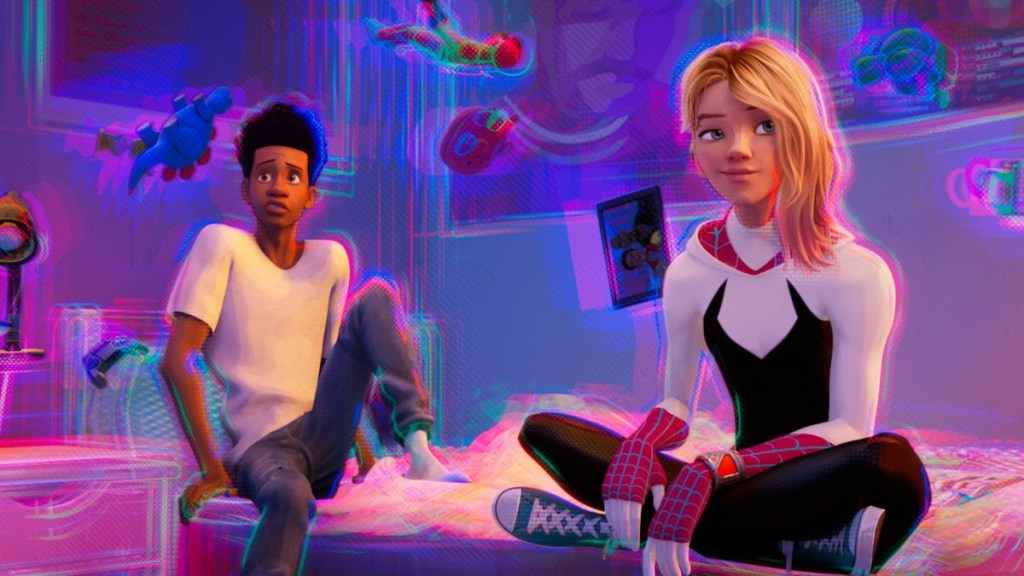
The burgeoning romance between Miles Morales' Spider-Man and Gwen Stacy's Spider-Woman has captivated audiences in Sony's critically acclaimed Spider-Verse films. Their undeniable chemistry, combined with the complexities of their multiversal adventures, has made them one of the most beloved pairings in recent superhero cinema. However, a common point of discussion among fans revolves around their respective ages and the subtle (and sometimes not-so-subtle) age gap between them, both on screen and in the comic books that inspired them. Understanding the nuanced differences in Miles Morales' true age across all Spider-Man universes and Gwen's adds significant context to their relationship dynamics.
Unraveling Miles Morales' Age in the Spider-Verse Films
Pinpointing the exact miles morales age in the Spider-Verse films can be a bit of a puzzle, especially in his debut. In Spider-Man: Into the Spider-Verse, his age is never explicitly stated. This initial ambiguity allows the audience to witness his journey from an uncertain Brooklyn teenager into his destiny as Spider-Man without a strict numerical label. However, Gwen Stacy, ever the pragmatic older friend, offers a crucial clue, revealing that she is "older than [Miles] by fifteen months." This sets the foundation for their age dynamic.
Shortly after the first film's release, one of its directors, Peter Ramsey, referred to Miles as a "13-year-old kid." While this might have been a nod to Miles' inaugural age in the Ultimate Spider-Man comics, it complicated the perception of his cinematic age, leaving some fans wondering if he truly was that young in the movie itself. Considering his enrollment as a freshman at Brooklyn Visions Academy, a 13-year-old Miles is entirely plausible if his birthday falls within a specific window, such as between December and March, allowing him to be a freshman at that age.
The sequel, Spider-Man: Across the Spider-Verse, provides far clearer indications of miles morales age. Miles himself tells the audience that "for the last year and four months, [he has] been Brooklyn's one and only Spider-Man." This statement directly correlates to the time elapsed since the events of the first film, which ended with him fully embracing his role. Furthermore, he's confirmed to be a sophomore at Brooklyn Visions Academy. If we work backward from this information, assuming he was a 13-year-old freshman in the first film, then a year and four months later would place him at a minimum of 15 years old in Across the Spider-Verse. This progression highlights his growth not just as a hero but as a maturing teenager grappling with increased responsibilities and the complexities of his personal life.
- Into the Spider-Verse: Likely 13 years old (freshman).
- Across the Spider-Verse: At least 15 years old (sophomore), factoring in the time jump.
Gwen Stacy's Age: Complementing Miles' Journey
Just as Miles' age dictates his stage of development, Gwen Stacy's age in the Spider-Verse films plays a pivotal role in her dynamic with him. Since Gwen explicitly states she is "fifteen months" older than Miles, her age can be directly derived from his cinematic timeline. If Miles was indeed 13 in Into the Spider-Verse, then Gwen would have been 14 years and three months old. This subtle difference positions her as slightly more experienced, both in life and as Spider-Woman, giving her a natural mentor-like quality when they first meet.
Fast forward to Across the Spider-Verse, with Miles at a minimum of 15 years old, Gwen would then be at least 16 years and three months old. This consistent 15-month age gap throughout the films is a deliberate choice by the filmmakers. It allows for a palpable yet innocent age difference that enhances their character interaction. Gwen, having been Spider-Woman for longer, carries a weight of experience that Miles is just beginning to understand. Her slightly older, more mature perspective often guides him, while their shared adolescent struggles create a relatable bond. The film's portrayal avoids any discomfort often associated with larger age gaps, making their burgeoning connection feel natural and sweet for a young adult audience.
The controlled age gap in the films creates a dynamic where Gwen, though older, is still very much a peer facing similar teenage issues, albeit with different Spider-Person experiences. This makes their connection aspirational and relatable, fostering a sense of mutual respect and burgeoning affection without delving into potentially problematic territory.
The Comic Book Conundrum: A More Problematic Age Gap
While the Spider-Verse films carefully crafted a palatable age dynamic, the comic book history between Miles Morales and Gwen Stacy tells a somewhat different, and for many readers, more uncomfortable story. In an attempt at "synergy" shortly after the announcement of Spider-Man: Into the Spider-Verse, Marvel Comics briefly paired Miles Morales with Gwen Stacy (specifically, the Gwen Stacy of Earth-65, also known as Spider-Gwen or Ghost-Spider).
At this point in the comics (around late 2016), the established ages were notably different from their cinematic counterparts. Earth-65's Gwen Stacy was canonically 19 years old. Miles Morales, at the time, was a month shy of turning 17. On paper, a two-year age gap might not seem egregious, especially for characters nearing adulthood. However, the perception was heavily influenced by several factors:
- Established History: Many comic readers associate the Earth-616 Gwen Stacy as a classic love interest for a college-aged Peter Parker. Even though Earth-65 Gwen is a distinct character, the name "Gwen Stacy" carries a certain baggage that made her pairing with a still-developing teenage Miles feel off.
- Developmental Stages: The difference between a 16-year-old and a 19-year-old, though numerically small, represents a significant developmental chasm. One is firmly in high school, perhaps even a freshman, while the other is an adult, likely in college or starting their independent life. This disparity can create an imbalance in relationships that makes readers uncomfortable, particularly in stories aimed at younger audiences.
Suffice it to say, the comic book relationship between Miles and Gwen was short-lived. It barely progressed beyond a single kiss before they amicably decided to remain friends. This comic book experience serves as a fascinating contrast to the films, highlighting how creators must consider audience perception when playing with character ages and established relationship dynamics. The filmmakers of Spider-Verse were keenly aware of this history, humorously poking fun at the wider comic age gap while deliberately shrinking it by at least nine months in their cinematic universe, making their version far more palatable and enduring. For a deeper dive into his varying ages, explore Discover Miles Morales' True Age Across All Spider-Man Universes.
Why Age Gaps Matter in Storytelling (and What Spider-Verse Got Right)
The discussion around miles morales age and his age gap with Gwen Stacy isn't just trivial fan speculation; it delves into the core of character development and narrative construction. Age, especially in coming-of-age stories, is a crucial determinant of a character's experiences, challenges, and emotional maturity.
Narrative Implications of Age:
- Character Development: A younger Miles allows for a greater arc of discovery and growth. His inexperience, both as a hero and a teenager, makes his journey more compelling and relatable. As he matures, Miles Morales' Age Revealed: From Into to Across the Spider-Verse, reflecting his increasing confidence and ability.
- Relatability: Audiences connect more strongly with characters who are experiencing life stages similar to their own or those they remember. For the primarily young adult and teenage audience of the Spider-Verse films, seeing characters navigate high school, crushes, and newfound powers at a similar age creates a powerful bond.
- Relationship Dynamics: The age gap, whether small or large, significantly impacts the power dynamics and nature of a relationship. The 15-month gap in the films allows for Gwen to be slightly more seasoned without being overtly parental, fostering an innocent, budding romance. A larger gap, like in the comics, can inadvertently create imbalances that make a relationship feel uncomfortable or inappropriate, especially when one party is clearly an adult and the other is still a minor.
The Spider-Verse films demonstrate a masterful understanding of these implications. By deliberately making the age gap smaller and more appropriate for their target audience, they successfully crafted a compelling and heartwarming romantic subplot that resonated universally. Their choice to have both characters firmly in their mid-teens ensures that their struggles, their triumphs, and their connection are all viewed through the lens of adolescence, a period of intense growth and self-discovery. This intelligent adaptation of source material not only avoids pitfalls but enriches the narrative, making Miles and Gwen's story both believable and aspirational.
For storytellers, the lesson is clear: while creative freedom is paramount, understanding audience perception of age and relationships, particularly in sensitive contexts, is crucial for crafting narratives that truly resonate and avoid unintended discomfort. For fans, appreciating these subtle narrative choices enhances the viewing experience, allowing for a deeper connection to the characters and their evolving stories.
Conclusion
The journey of Miles Morales and Gwen Stacy through the Spider-Verse films and Marvel Comics highlights the significant impact of character age on narrative and audience perception. While the comics briefly experimented with a wider, more contentious age gap between a 19-year-old Gwen and an almost 17-year-old Miles, the animated films made a conscious, and ultimately more successful, choice to narrow this to a consistent 15-month difference. This cinematic decision placed a 13-year-old (then 15-year-old) Miles Morales alongside a 14-year-old (then 16-year-old) Gwen Stacy, creating a sweet, innocent, and highly relatable dynamic that has endeared them to millions. The careful consideration of miles morales age and Gwen's developmental stage not only shapes their individual arcs but also defines the charming and appropriate nature of their evolving relationship, solidifying their status as one of pop culture's most beloved duos.